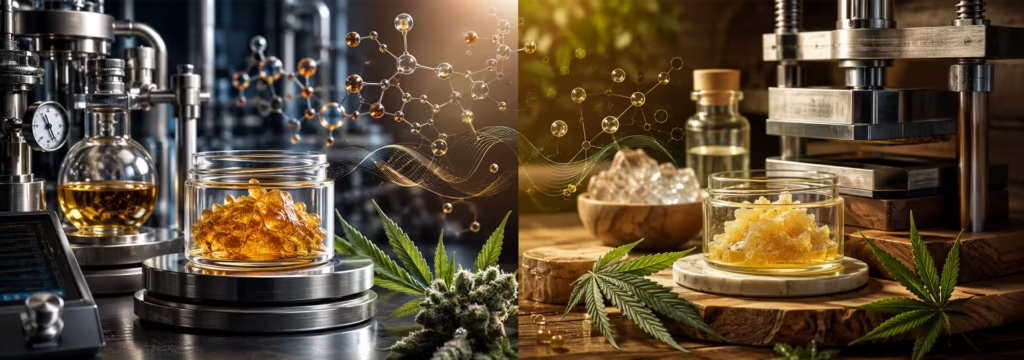
Live resin and live rosin are both premium cannabis concentrates made from fresh frozen flower, but they differ fundamentally in how they’re made. Live resin is extracted using a hydrocarbon solvent (BHO), producing THC levels of 65–95% at a mid-range price point. Live rosin uses zero solvents, using only ice water, heat, and pressure, and delivers a cleaner, full-spectrum experience at a higher cost. Both preserve terpenes far better than concentrates made from dried flower.
If you have ever scrolled through a cannabis delivery menu and felt lost staring at “live resin” and “live rosin” sitting right next to each other, you are not alone. They sound almost identical. They both cost more than standard concentrates. And both come with enthusiastic recommendations from budtenders. This guide breaks down every meaningful difference, including extraction process, potency, flavor, price, and who each one is best suited for, so you can make an informed choice for your next session.
What Is Live Resin?
Live resin: a cannabis concentrate extracted from freshly frozen flower using hydrocarbon solvents, typically butane or propane, in a process known as BHO (butane hash oil) extraction.
Here is what separates live resin from every other BHO concentrate: the starting material. Most concentrates are made from dried and cured cannabis, a process that degrades terpenes significantly. Live resin production begins immediately after harvest. The freshly cut cannabis is flash-frozen to temperatures below -40°F (often with liquid nitrogen or dry ice), which locks in the full terpene and cannabinoid profile before any degradation can occur.
The frozen plant material is then run through a closed-loop extraction system where liquid butane or propane strips the cannabinoids and terpenes from the plant matter. The resulting solution is then purged of all residual solvent through a combination of heat and vacuum pressure, a step regulated carefully to ensure no detectable solvent remains in the final product. California’s Bureau of Cannabis Control (now part of the Department of Cannabis Control) mandates that solvent-based concentrates test below 500 ppm residual solvents.
The finished product has a characteristic appearance: it can be saucy and syrupy, sugary and granular, or creamy like a budder, depending on the strain’s terpene profile and post-extraction handling. Live resin is a favorite among cannabis consumers in Los Angeles and across Southern California precisely because it delivers bold, strain-accurate flavor at a price point that remains accessible.
- Starting material: freshly frozen whole flower
- Extraction method: closed-loop BHO (butane or propane)
- Solvent removal: heat and vacuum purging
- THC range: 65–95%
- Texture: saucy, sugary, budder, or crystalline
What Is Live Rosin?
Live rosin: a solventless cannabis concentrate made by washing fresh frozen flower with ice water to create bubble hash, then pressing that hash under precise heat and pressure to extract a pure, terpene-rich oil.
The word “solventless” is the defining characteristic of live rosin: no butane, no propane, no ethanol, no CO2. The entire process relies on mechanical and physical separation only.
The process begins with fresh frozen cannabis, the same high-quality starting material used for live resin. That frozen plant material is submerged in ice water and agitated, which causes the trichome heads, the resin glands that contain cannabinoids and terpenes, to break off from the plant and sink to the bottom of the vessel. This ice water extract is filtered through a series of mesh bags with progressively finer micron ratings, collecting different grades of bubble hash.
The bubble hash is then carefully dried (often freeze-dried to preserve volatile terpenes) and pressed using a rosin press, a specialized heated plate device that applies controlled pressure, typically between 150–220°F and 300–1,000 pounds per square inch, depending on the target consistency. The heat and pressure cause the trichome heads to rupture and release their contents as a pure, solvent-free oil.
Live rosin is considered the craft tier of the cannabis concentrate world. Because the process yields less product from the same amount of starting material and requires significant labor and specialized equipment. Because of that, it commands a premium price across California cannabis menus and licensed delivery services. Demand for solventless concentrate in markets like Los Angeles and the Antelope Valley has grown sharply, reflecting a broader shift toward clean-input cannabis products.
- Starting material: fresh frozen flower
- Process stage 1: ice water hash (bubble hash)
- Process stage 2: heat press (rosin press)
- Solvents used: zero
- THC range: 60–85%
- Texture: badder, jam, cold cure, or full-melt
Live Resin vs Live Rosin: What Is the Real Difference?
Both concentrates start from the same place, fresh frozen cannabis, and both are designed to preserve the plant’s original terpene profile. The fork in the road is the extraction method, and that single difference cascades into everything else: purity, flavor complexity, price, and ideal consumer profile.
| Feature | Live Resin | Live Rosin |
| Extraction Method | Solvent-based (BHO) | Solventless (ice water + heat press) |
| Starting Material | Fresh frozen flower | Fresh frozen flower → bubble hash |
| Terpene Profile | Excellent, strain-accurate | Exceptional, fully untouched by solvents |
| Potency (THC) | 65–95% | 60–85% |
| Flavor Character | Rich, aromatic, bold | Full-spectrum, clean, nuanced |
| Price Range | $30–$60 per gram | $50–$100+ per gram |
| Common Textures | Saucy, sugary, budder, diamonds | Badder, jam, cold cure, full-melt |
| Solvent Residue | Minimal (properly purged) | Zero |
| Best For | Flavor chasers, value seekers | Purity-focused, health-conscious consumers |
Key Takeaway
Live resin offers excellent terpene preservation and high potency through solvent-based extraction, making it ideal for consumers who want premium flavor at an accessible price. Live rosin delivers the same terpene-rich starting point through a completely solventless process, producing a cleaner, full-spectrum product that many describe as the most authentic expression of the cannabis plant. The difference is not quality versus lower quality; both are top-tier. It is the process philosophy and price point.
Which One Is More Potent? (THC Percentage vs. Full-Spectrum Effect)
On a lab report, live resin typically wins the THC race. Solvent-based extraction is highly efficient at pulling cannabinoids from plant material, and live resin commonly tests between 65–95% total THC. Live rosin, because the mechanical extraction process is less aggressive, generally falls in the 60–85% range.
But raw THC percentage is an incomplete measure of potency for one important reason: the entourage effect. This refers to the synergistic interaction between THC, CBD, CBG, CBN, and the hundreds of terpenes (myrcene, limonene, caryophyllene, linalool, and more) present in full-spectrum concentrates. Research published in the British Journal of Pharmacology and ongoing clinical observations suggest that terpenes modulate how cannabinoids bind to receptors, meaning a 75% THC concentrate with a robust terpene profile may produce a more nuanced, well-rounded, and therapeutically meaningful experience than a 90% distillate.
Because live rosin’s solventless process leaves the terpene matrix completely untouched by chemical interaction, many experienced consumers report that live rosin delivers what feels like a more complete, full-body experience, even when the THC percentage is technically lower. Live resin, while it does preserve an impressive terpene profile, subjects those terpenes to solvent contact during extraction, which some argue results in subtle changes to the terpene composition.
If maximizing the number on the label is the goal, live resin is your pick. If the goal is the most complete cannabis experience the plant can deliver, live rosin is the stronger argument.
Which Tastes Better? Terpene Preservation Compared
Both concentrates start with fresh frozen cannabis, which is the single biggest flavor upgrade over concentrates made from dried and cured flower. The fresh freezing preserves volatile monoterpenes, the aromatic compounds responsible for the bright, citrusy, floral, or piney notes that evaporate rapidly during conventional drying. This is why live resin and live rosin both taste dramatically more vivid than standard wax, shatter, or distillate.
Live resin captures terpenes through solvent interaction. The hydrocarbon solvent is highly effective at co-extracting terpenes alongside cannabinoids, and the result is an aromatic, strain-true concentrate with bold, recognizable flavor profiles. A well-made Zkittlez live resin, for example, will taste unmistakably of the Zkittlez strain: fruity, sweet, and distinctly tropical.
Live rosin goes a step further in terpene fidelity. Because no chemical solvent touches the terpenes at any point, the terpene profile in live rosin is as close to the living plant as any concentrate can achieve. The flavor is typically described as cleaner, more layered, and more authentically “planty,” meaning you taste not just the dominant terpenes but the subtle supporting notes that give each cultivar its distinct character. Many concentrate connoisseurs in Los Angeles and across California’s premium cannabis market describe live rosin as having the kind of terroir-driven complexity that fine wine enthusiasts associate with single-origin expression.
Pro Tip
Dab at low temperatures (400–500°F for live resin, 450–520°F for live rosin) to experience the full terpene profile. High-temperature dabs burn off terpenes before they can reach your palate, producing harsh vapor and wasting the flavor you paid a premium for. An e-rig with precise temperature control gives the best results with either concentrate.
Which Is Better for Beginners to Cannabis Concentrates?
Neither live resin nor live rosin is ideal as a first-ever cannabis experience, because both are high-potency concentrates, and even experienced flower consumers can be caught off guard by their intensity. That said, if you are new to dab concentrates specifically but already comfortable with cannabis, live resin is the more forgiving starting point for two reasons: price and availability.
At $30–$60 per gram, live resin lets you learn proper dabbing technique, including temperature control, appropriate dosing, and equipment care, without the financial sting of making beginner mistakes with an $80 gram of live rosin. The flavor is excellent, the potency is substantial, and the variety of textures (saucy, sugary, budder) gives you options to find what you prefer.
Once you have developed a feel for concentrate consumption, live rosin is worth the step up. Its cleaner flavor and full-spectrum experience reward the palate in ways that become more appreciable once you know what to look for.
Pro Tip
First-time concentrate users: start with a dab roughly the size of a grain of rice. Concentrates are 4–8x more potent by weight than typical flower. Wait 10–15 minutes before taking a second dab. An e-rig (electronic dab rig) with temperature presets is significantly easier to use than a traditional dab rig with a torch.
Why Is Live Rosin More Expensive Than Live Resin?
The price gap between live resin ($30–$60/gram) and live rosin ($50–$100+/gram) is not marketing; it reflects genuine differences in production complexity, yield, and labor.
There are four main cost drivers for live rosin:
- Lower yield: Solvent extraction is aggressive and efficient, pulling a high percentage of available cannabinoids. Ice water hash extraction is gentler and more selective, so you get less total concentrate per pound of starting material.
- Multi-stage process: Live rosin requires a complete bubble hash wash and drying stage before the pressing stage even begins. Each stage requires equipment, time, and skilled operators.
- Specialized equipment: Quality rosin presses, freeze dryers, and micron filtration systems represent significant capital investment, distinct from and in addition to standard BHO extraction infrastructure.
- Labor intensity: Achieving consistent, high-quality live rosin requires hands-on monitoring at multiple stages, including hash washing, drying, pressing temperature and pressure calibration, and cure management. It cannot be as readily automated as solvent-based extraction.
For California cannabis consumers on a budget who still want premium concentrate quality, live resin delivers exceptional value. For those who prioritize purity and are willing to invest in the cleanest possible product, live rosin justifies its price premium.
How to Consume Live Resin and Live Rosin
Both live resin and live rosin are cannabis concentrates in the dab family, and they share most of the same consumption methods. The key variable is temperature, and it matters more with these two products than with virtually any other concentrate because of how terpene-rich they are.
Dab Rig (Traditional)
A dab rig is a water pipe fitted with a banger (nail) made of quartz, ceramic, or titanium. You heat the banger with a butane torch, let it cool to the target temperature, apply a small amount of concentrate, and inhale through the water filtration. Traditional rigs give experienced users the most control over the experience but have a learning curve around temperature management.
E-Rig (Electronic Dab Rig)
E-rigs (Puffco Peak, Focus V Carta, and similar devices) heat electronically to preset temperatures, removing the need for a torch and guesswork. They are strongly recommended for live resin and live rosin because precise temperature control directly determines flavor quality. Most experienced consumers consider an e-rig the best way to experience premium concentrates.
Dab Pen
Dab pens (wax pens) are portable, discreet, and beginner-friendly. Most support saucy live resin and softer live rosin consistencies. Temperature control varies by device; higher-end pens offer more precise settings.
Vape Cartridges
Live resin cartridges are widely available in California, and they typically use a thinning agent (or are formulated from naturally low-viscosity cultivars) to work in standard 510-thread hardware. Live rosin cartridges are less common and more expensive but exist in the premium tier of the market. Cartridges sacrifice some terpene fidelity compared to direct dabbing but offer unmatched convenience.
Pro Tip
Temperature guide for dabbing:Live Resin: 400–530°F (low-temp for flavor, up to 530°F for a stronger hit)Live Rosin: 450–520°F (live rosin benefits from slightly higher floor temps due to the presence of lipids and waxes from the plant material)Store both products in an airtight container in a cool, dark place. Refrigeration is acceptable; freezing can cause moisture issues. Never leave concentrates in direct sunlight or a hot car.
What Temperature Should You Dab Live Resin vs Live Rosin?
Temperature is the most consequential variable in the dabbing experience, and getting it right with premium concentrates is what separates a great session from a mediocre one.
For live resin, the optimal flavor window is 400–500°F. Below 400°F, many terpenes will not fully vaporize and the hit will feel thin. Above 530°F, you begin to combust rather than vaporize, which produces harsh, hot vapor that masks terpene flavor and potentially produces carcinogenic byproducts.
Live rosin typically performs best between 450–520°F. Because live rosin contains more lipids and minor plant waxes than a solvent-extracted product (the ice water process does not strip these the way BHO does), it generally needs a slightly higher starting temperature to fully melt and vaporize. Cold-cure live rosin, which has a distinct butter-like consistency, is often dabbed at the lower end of this range to preserve its volatile terpene signature.
Is Live Resin or Live Rosin Better for Medical Cannabis Users?
For medical cannabis consumers, the question of live resin versus live rosin often comes down to two considerations: residual solvents and entourage effect completeness.
On residual solvents: California’s Department of Cannabis Control requires all licensed producers to test concentrates for residual solvents. Properly manufactured and tested live resin will have solvent levels below state-mandated limits. However, for patients with respiratory conditions, sensitivities to petrochemical compounds, or who simply prefer to minimize any potential chemical exposure, live rosin’s zero-solvent manufacturing process offers unambiguous peace of mind.
On entourage effect: medical users who rely on cannabis for symptom management, including pain, inflammation, anxiety, and sleep disorders, often report more consistent, well-rounded relief from full-spectrum products. Live rosin’s untouched terpene matrix and broader retention of minor cannabinoids (CBD, CBG, CBN) potentially make it the stronger choice for therapeutic use.
Neither product is medically certified or FDA-approved. Consult a healthcare provider before using cannabis products for medical purposes. Both live resin and live rosin are legal for adult use and medical use in California when purchased from a licensed California source, including licensed delivery services.
Where to Buy Live Resin and Live Rosin in Los Angeles and Southern California
California’s regulated cannabis market has made premium concentrates more accessible than ever, but buying from a licensed source is critical. Unlicensed products are unregulated, meaning they have not been tested for potency, residual solvents, pesticides, or heavy metals. Always verify a seller’s license through the California Department of Cannabis Control’s public license verification portal.
For residents across Los Angeles County, San Bernardino County, and Riverside County, Canna Lala (License: C9-0000724-LIC) provides licensed cannabis delivery directly to your door. Canna Lala’s menu includes live resin, live rosin, and a broad selection of cannabis concentrates including wax, shatter, diamonds, and other dab-ready options, along with flower, edibles, vapes, and pre-rolls.
Delivery coverage includes 29 cities across the region, including Los Angeles, Victorville, and communities throughout the Antelope Valley. Whether you are in the San Gabriel Valley, the South Bay, the High Desert, or the Inland Empire, Canna Lala brings licensed, lab-tested cannabis concentrates to your address.
Frequently Asked Questions
What is the difference between live resin and live rosin?
Both are premium concentrates made from fresh frozen cannabis, but they use entirely different extraction methods. Live resin uses a hydrocarbon solvent (butane or propane) to extract cannabinoids and terpenes, typically testing at 65–95% THC. Live rosin uses no solvents, using only ice water, heat, and pressure, and typically tests at 60–85% THC. Live rosin is considered cleaner and more full-spectrum; live resin offers higher potency at a lower price point.
Is live rosin stronger than live resin?
Not by THC percentage; live resin typically tests higher (65–95% vs. 60–85% for live rosin). However, many consumers report that live rosin produces a more complete, well-rounded experience due to its fully intact terpene profile and the entourage effect. Whether you define “stronger” as highest THC number or most complete effect determines which one wins for you.
Why is live rosin so much more expensive than live resin?
Live rosin costs more because the solventless production process is more labor-intensive, requires more specialized equipment (ice water washing systems, freeze dryers, rosin presses), and yields less finished product per pound of starting material. Live resin’s solvent-based extraction is faster, more scalable, and more efficient, and those economics pass to the consumer through lower prices.
What does live resin taste like compared to live rosin?
Live resin tastes bold, aromatic, and strain-accurate, with vivid flavor and recognizable, reflecting the terpene profile of the source cultivar. Live rosin tends to taste cleaner and more complex, with subtle secondary notes beyond the dominant terpenes. Both taste significantly better than concentrates made from dried flower because the fresh freezing process preserves volatile terpenes that are lost during conventional curing.
What is the best way to consume live resin or live rosin?
An e-rig (electronic dab rig) with precise temperature control gives the best results with both concentrates. Aim for 400–530°F for live resin and 450–520°F for live rosin. Traditional dab rigs, dab pens, and vape cartridges (live resin versions especially) are also common. Avoid excessively high temperatures, because they destroy terpenes and produce harsher vapor.
Are live resin and live rosin safe to consume?
Yes, when purchased from a licensed California cannabis delivery service or other licensed seller, both products must pass state-mandated testing for residual solvents, pesticides, heavy metals, and potency before sale. Licensed producers must keep residual solvents below California’s legal limits. Always buy from a licensed source and verify the seller’s license through the California Department of Cannabis Control.
What is solventless concentrate?
Solventless concentrate is any cannabis extract produced without chemical solvents. Live rosin is the most prominent example; it uses only ice water, heat, and pressure. Other solventless concentrates include dry sift hash (mechanically sifted trichomes), traditional finger hash, and standard rosin (made from dried flower rather than fresh frozen material). The solventless category is growing rapidly in California and across the US due to consumer preference for clean-input products.
Can I buy live resin or live rosin delivered in Los Angeles?
Yes. Canna Lala (License: C9-0000724-LIC) is a licensed California cannabis delivery service that delivers live resin, live rosin, and other concentrates to 29 cities across Los Angeles County, San Bernardino County, and Riverside County, including Los Angeles, Victorville, and communities throughout the Antelope Valley. Order through Canna Lala’s delivery menu for lab-tested, legally compliant cannabis concentrate delivery to your address.
Ready to Try Live Resin or Live Rosin?
Choosing between live resin and live rosin comes down to what you value most in a concentrate. Want exceptional flavor and high potency at an accessible price? Live resin delivers. Want the cleanest, most full-spectrum solventless experience and are willing to pay for it? Live rosin is the answer. Either way, you are choosing two of the most sophisticated cannabis concentrates the California market has to offer, a far cry from the extracts of a decade ago.
If you are in Southern California and ready to explore the concentrate tier, Canna Lala delivers premium live resin, live rosin, and cannabis concentrates across Los Angeles, Victorville, the Antelope Valley, and 29 cities throughout LA County, San Bernardino County, and Riverside County. Order online from our licensed delivery menu at cannalala.com.
Legal Disclaimer: Canna Lala is a licensed California cannabis delivery service (License: C9-0000724-LIC) regulated by the California Department of Cannabis Control. Must be 21+ to order. Consume responsibly. Cannabis products have not been evaluated by the Food and Drug Administration (FDA). These products are not intended to diagnose, treat, cure, or prevent any disease or medical condition.