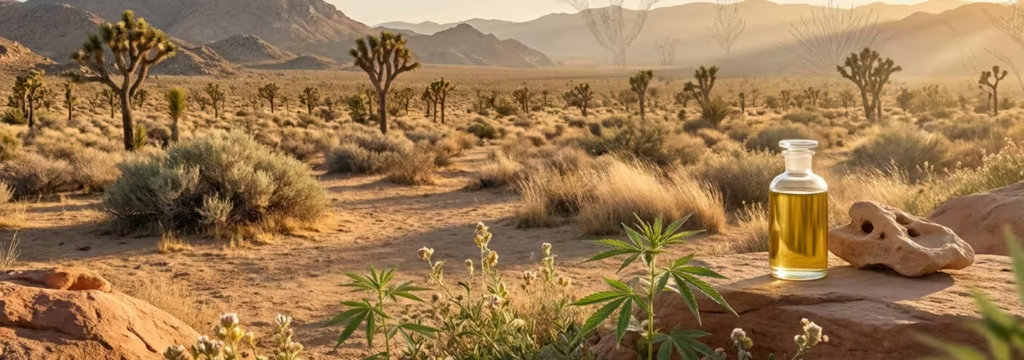
Desert living comes with its own rhythm: hot days, cooler nights, dry air, and lots of sun. This high desert cannabis guide is designed for people in high-desert areas (think Inland Empire high desert, Antelope Valley, Victor Valley, and similar climates) who want strain recommendations based on how they want to feel and what tends to be comfortable in dry, high-heat conditions.
Quick takeaway: In desert climates, many people prefer strains and products that feel clear-headed, not overly drying, and not too heavy—especially for daytime.
What makes desert living different
In a high desert environment you often deal with:
- Dry air: Can feel harsh on the throat/sinuses
- Heat + sun exposure: Can amplify fatigue for some people
- Big day/night temperature swings: Comfort needs can change by time of day
- Outdoor lifestyle: Hiking, driving, errands—many prefer functional effects
This guide focuses on effects + terpene profiles (not just strain names), because availability changes by shop and batch.
Best strain types for desert living
1) Daytime: stay functional and upbeat
Look for strains commonly described as energizing, focused, and mood-lifting.
Often-associated terpene notes:
- Limonene (bright/citrus, uplifting)
- Pinene (fresh/pine, clear-headed)
- Terpinolene (often in energetic sativa-leaning profiles)
Strain-style examples to ask for:
- Jack Herer (classic clear-headed profile)
- Durban Poison (often energetic and focused)
- Super Lemon Haze (uplifting citrus-leaning)
2) Late afternoon: smooth unwind without couch-lock
If you want to relax but still be social, aim for balanced hybrid effects.
Often-associated terpene notes:
- Caryophyllene (peppery, grounded)
- Linalool (floral, calming)
- Humulene (earthy, mellow)
Strain-style examples to ask for:
- Blue Dream (balanced, widely available)
- Gelato (relaxing but not always sedating)
- Wedding Cake (calming; can be stronger—dose carefully)
3) Nighttime: deeper relaxation and sleep support
For evenings, many prefer strains described as sedating, body-heavy, and soothing.
Often-associated terpene notes:
- Myrcene (earthy, heavier body feel)
- Linalool (calming)
- Caryophyllene (relaxation)
Strain-style examples to ask for:
- Granddaddy Purple (GDP) (classic nighttime profile)
- Northern Lights (often deeply relaxing)
- Purple Punch (sweet, calming)
Desert-friendly product tips
This high desert cannabis guide isn’t just about strains—your format matters in dry climates.
If you get throat irritation easily
- Consider edibles or tinctures for a non-inhaled option
- If vaping, use lower temps and smaller puffs
- Stay hydrated and avoid combining with alcohol
If you’re outdoors in heat
- Start with lower doses (heat can make effects feel stronger for some)
- Avoid overdoing it before long drives or hikes
- Store products away from direct sun (heat can degrade quality)
How to choose at the dispensary
When you shop, use this quick filter:
- Goal: energy / balance / sleep
- THC strength: start lower if you’re unsure
- Terpenes: look for limonene/pinene for day; myrcene/linalool for night
- Method: flower, vape, edible, tincture
If the exact strain isn’t available, ask for similar terpene profiles.
Suggested dosing guidance
- New or sensitive users: start low and increase slowly
- If using edibles: wait at least 2 hours before taking more
- If vaping: take 1–2 small puffs, wait 10–15 minutes, then reassess
Frequently Asked Questions
What are the best strains for desert living?
There’s no single “best” strain, but many people in high desert climates prefer clear-headed daytime strains (often limonene/pinene-forward) and calming nighttime strains (often myrcene/linalool-forward). Availability varies, so shop by terpene profile.
Are certain strains less harsh in dry air?
Harshness depends on product quality and method. In dry climates, many find lower-temp vaping, tinctures, or edibles more comfortable than smoking.
What should I avoid in the heat?
Avoid overconsuming before outdoor activity. Heat and dehydration can make discomfort more likely—hydrate, dose lower, and choose functional effects.